The first question in any moulding programme is not “what does the tool cost” but “how many parts will this tool ever make”. Get that number wrong and you either overpay for capacity you never use, or replace a worn tool in the middle of a production run.
Two kinds of tool, two economics
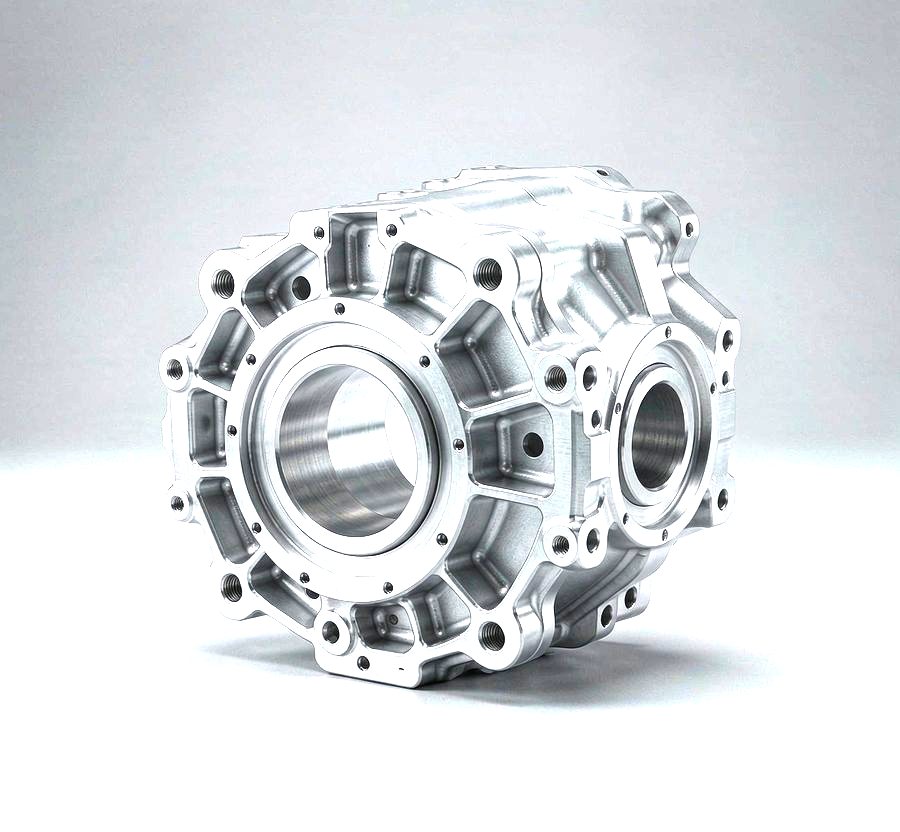
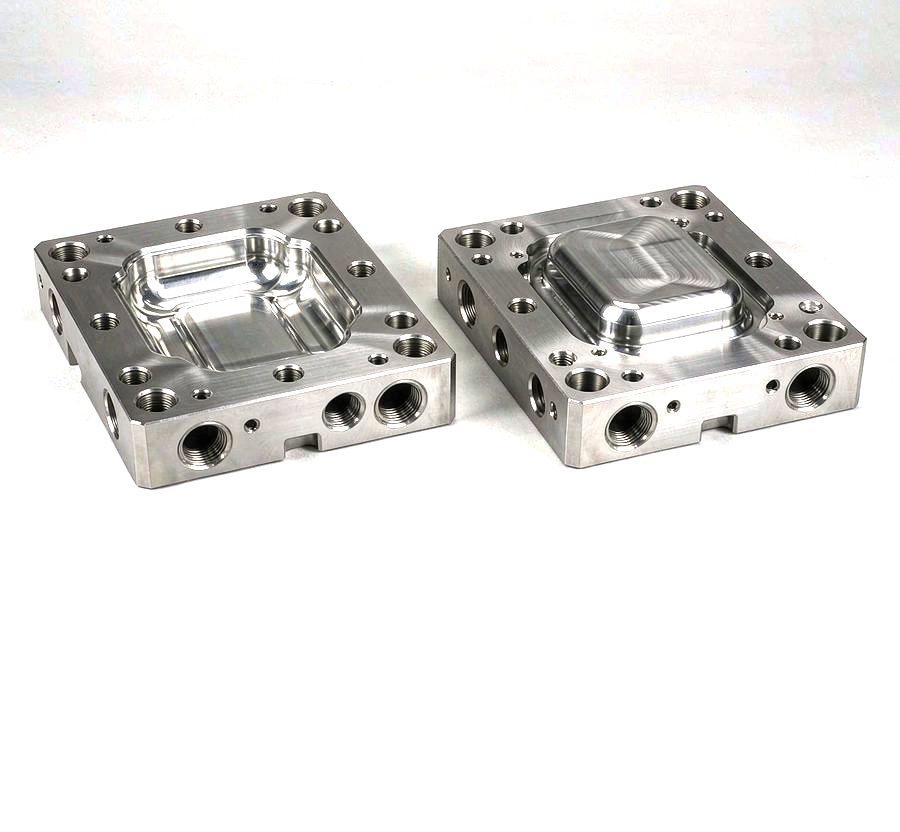
Rapid tooling uses aluminium or soft steel inserts, often machined directly from your CAD in 5–12 working days. Cavities are usually single, gates are simple, and cooling is basic. Production tooling uses hardened P20, 718H or H13 steel, multi-cavity layouts, conformal or baffled cooling, hardened slides and a documented maintenance schedule. It takes 4–8 weeks.
The break-even maths
Ignore tool cost on its own and compare total cost at your volume. A representative comparison for a 120 × 80 × 30 mm ABS housing:
| Rapid aluminium tool | Production steel tool | |
|---|---|---|
| Tool cost, 1 cavity | $2,800 | $9,500 (1×1) / $16,000 (2×2) |
| Tool lead time | 7–10 days | 25–35 days |
| Part price at 1,000 pcs | $1.65 | $1.20 |
| Part price at 10,000 pcs | $1.35 | $0.72 |
| Realistic tool life | 3,000–10,000 shots | 300,000–1,000,000 shots |
| Cosmetic quality | Good; visible gate witness | Excellent; textured, polished |
Swipe sideways to see all columns →
Crossover for this part sits around 4,000–6,000 pieces. Below it, aluminium wins on total cost and always wins on time. Above it, the part price gap takes over and steel pays for itself within a second order.
When aluminium tooling is the right call
- Design still moving. A tool you will modify twice should be cheap to modify. Aluminium inserts can be re-machined or replaced for a few hundred dollars.
- Bridge volume before production. 500–3,000 units to feed a launch, a pilot line or a crowdfunding backer list.
- Trial moulding for fit and function. You want real moulded parts to test, not printed approximations.
- Low-volume, high-mix products. Industrial equipment, medical carts, marine fittings — 200 units a year for five years is a rapid-tooling profile, not a steel one.
When to go straight to hardened steel
- Annual volume above roughly 10,000 parts, or a programme life above 50,000.
- Abrasive or glass-filled resins (PA-GF30, PBT-GF, PEEK) that erode aluminium gates and cavities quickly.
- Class A cosmetic surfaces that need texture, high polish or a hidden gate.
- Tight tolerance across the tool life — aluminium moves as it wears, and the drift shows up in the last 20% of the run.
- Multi-cavity economics: 4 or 8 cavities only make sense on a steel base.
What people get wrong about bridge tooling
Three failures we see regularly:
- Assuming a bridge tool is a free trial. It is not scrap — but the tooling cost is rarely recoverable if you move to steel later. Budget it as a separate line.
- Designing for the bridge tool only. Wall thickness, draft and gate position must already be production-valid. A bridge tool proves the design, it does not excuse a bad one.
- Forgetting the second tool's lead time. If steel takes six weeks, order it while the bridge tool is still running, not when it runs out.
Ask your moulder for the shot count on the tool, not the month it was built. Wear is measured in cycles, and a tool that made 8,000 parts in one quarter is not the same asset as one that made 800.
Before you commit
- Forecast by year for the full product life, not just the launch order.
- Resin family and fill level — this decides whether aluminium is viable at all.
- Cosmetic requirement: texture, polish, gate location, visible parting line.
- Who owns the tool, and what the terms are for transferring it.
- Whether the design is frozen. If not, price the modification, not just the tool.
Send us the part, the resin and a volume curve and we will price both routes side by side — tool cost, part price at three volumes and lead time — so the decision is arithmetic rather than instinct.